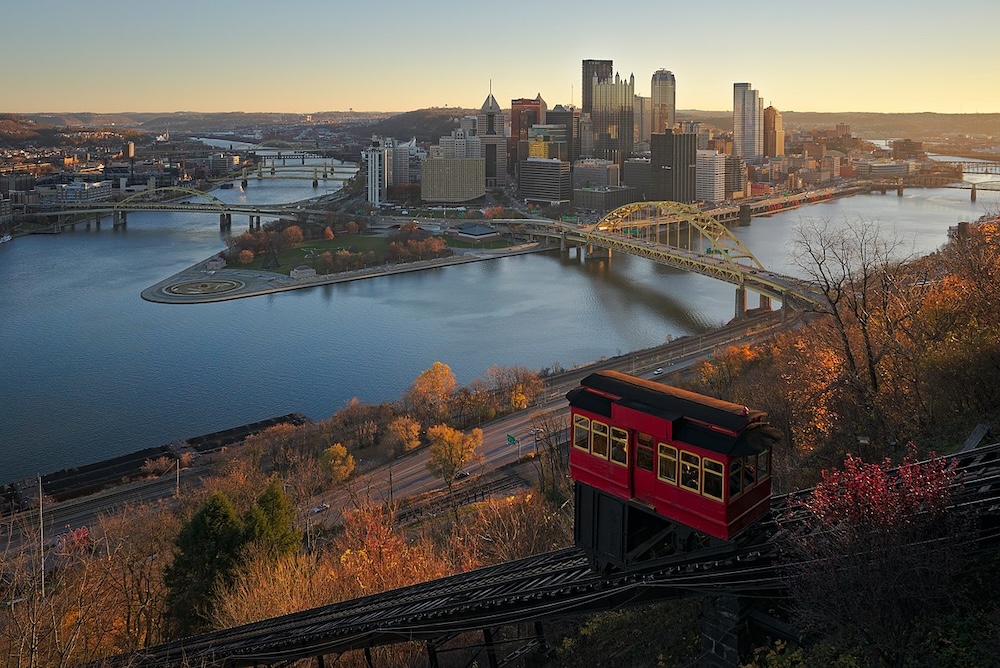
Imagine gliding up a steep hill, the city of Pittsburgh sprawling beneath you, framed by three shimmering rivers. Pittsburgh’s inclines are not just a means of transportation; they are a vibrant symbol of the city’s rich industrial history and unique geographic landscape. These remarkable structures have played an essential role in connecting communities and shaping the economy, evolving alongside the Steel City itself.
The story of Pittsburgh’s inclines begins in the late 19th century, when innovative engineering and the coal industry converged to create an efficient solution for steep terrain. Notably, the Duquesne Incline emerged as both a functional transit system and a beloved landmark. Over time, the inclines became iconic, offering breathtaking views and playing a vital role in the daily lives of Pittsburghers, reflecting the city’s transitions from industrial powerhouse to modern urban hub.
In this article, we will explore the historical significance and architectural marvels of Pittsburgh’s inclines, the experiences they offer, and their role within the broader context of the city. We’ll delve into the intricacies of these transportation systems and reveal why they continue to enchant both locals and visitors alike.
Historical Significance of Pittsburgh’s Inclines
Pittsburgh’s inclines are a vital part of the city’s history. These funiculars first served as crucial means of transportation. They allowed people to travel between the river valleys and the hilltops. Today, they are beloved landmarks and popular tourist attractions showcasing the city’s innovative past.
The Origins of the Inclines
The city’s first incline, the Monongahela Incline, opened in 1870. It helped workers easily commute between home and job sites. Many people lived on the hills and worked in the factories below. The inclines were a solution to the steep hills that make up much of Pittsburgh’s landscape. At one point, there were over 15 cable cars operating in the city. Only a few remain today, with the Duquesne and Monongahela Inclines being the most prominent.
The Role of the Duquesne Incline
The Duquesne Incline opened in 1877. It was designed to carry cargo and people up and down Coal Hill, now known as Mount Washington. This incline became famous for its panoramic views of the city skyline and rivers. Residents and tourists still use it today. The incline keeps the original wooden cable cars, offering a historic travel experience.
Economic Impact on the Steel City
The inclines significantly impacted Pittsburgh’s economy. They made it easy for thousands to commute to steel mills and factories, boosting productivity. The transport system helped shape Pittsburgh into an industrial powerhouse. Today, while no longer essential for daily commutes, they support the city’s tourism industry. Visitors come to experience the historic charm and stunning views. The inclines are a testament to Pittsburgh’s resilience and innovation throughout history.
Comparison of Inclines:
| Attribute | Duquesne Incline | Monongahela Incline |
|---|---|---|
| Opening Year | 1877 | 1870 |
| Current Usage | Tourists | Tourists & Commuters |
| Known For | City Views | Historic Significance |
| Location | Mount Washington | Lower Station Near Station Square |
This table highlights key differences and similarities between the two surviving inclines.
Architectural Marvels
Pittsburgh’s inclines are a blend of beauty and function. Built in the late 1800s, these cable cars became famous for their steep, sloping paths. They transport passengers up and down the hills of the city. Two of the most famous are the Duquesne and Monongahela Inclines. They became essential because of Pittsburgh’s hilly terrain. These railways provided easier access between the rivers and the communities above.
Design Features of the Inclines
The design of the inclines reflects their purpose. Each incline includes two cars that counterbalance each other. When one car goes up, the other comes down. This design saves energy and allows for smooth rides. The cars run on rails and are pulled by cables powered by huge engines. The original stations were later updated but still kept their classic style, which has made them iconic. The use of glass in some of the cars gives riders stunning views of the city and rivers below.
Engineering Innovations
The inclines’ engineering was advanced for their time. They use a simple yet effective pulley system to move the cars. At the heart of this system is a strong cable that runs over a large wheel. Early engineers had to calculate the best angles and power needed to make these systems work. Safety has always been a priority. Modern upgrades ensure the inclines run safely and efficiently. These updates include new braking systems and regular inspections to check for wear and tear. Despite their age, the inclines still use some of the ingenious solutions from their original designs.
| Feature | Description |
|---|---|
| Counterbalance System | Makes the ride smoother and more energy-efficient. |
| Cable Pulley System | Drives the movement of the inclines with precise engineering. |
| Panoramic Views | Use of glass in the car design for scenic sightseeing. |
| Safety Innovations | Updated systems for secure and reliable operation. |
The Pittsburgh Inclines are not just functional but also a piece of the city’s history. They represent a time when engineering met the city’s geographical needs, creating a lasting legacy.
The Inclines in Context
Pittsburgh’s iconic inclines are a key part of the city’s history. Built in the late 19th century, they helped shape the way people traveled in the city. These funiculars were designed to transport workers from the river valleys up to the industrial sites and residential areas on the hills. Out of the original number of inclines, only two remain today: the Duquesne and the Monongahela Inclines.
Transportation and Community Connection
The inclines played a crucial role in Pittsburgh’s development. They connected communities separated by steep hills and the rivers, making daily commutes easier. This connection boosted local businesses and improved the quality of life for many residents. Today, these inclines serve as both a reminder of the past and a functional part of the city’s transport system.
Here are some key benefits the inclines provide:
- Efficient Travel: They make it easy to travel between different elevations.
- Cultural Heritage: They are beloved landmarks that attract tourists and locals.
- Local Economy: Connect neighborhoods and support nearby businesses.
The Interplay with the Three Rivers
Pittsburgh is known for its three rivers: the Allegheny, the Monongahela, and the Ohio. The inclines are strategically located near these waterways. This positioning was essential for transporting goods and people between river ports and the highlands. The rivers, along with the inclines, created a unique transportation network that spurred economic growth. Today, visitors get spectacular views of these rivers from the inclines, showcasing the beautiful interplay between the city’s natural and man-made landmarks.
The Evolution of Pittsburgh
Pittsburgh has a rich history and has undergone many changes over the years. Known as the “Steel City,” Pittsburgh was once the heart of the steel industry in America. However, the city has transformed into a modern urban hub, boasting vibrant neighborhoods and advanced technology sectors.
From Steel City to Modern Urban Hub
Pittsburgh had its boom during the late 19th and early 20th centuries. The steel industry provided jobs and opportunities, drawing workers from all over the world. The city’s economy thrived on this industrial strength for many years.
As times changed, so did Pittsburgh. The decline of the steel industry forced the city to adapt. Today, Pittsburgh is known for its medical and tech industries as much as its steel history. The transformation has brought new life to the city, blending its industrial past with cutting-edge innovation.
Historical Landmarks Connected by Inclines
Pittsburgh’s inclines are a key part of its history and charm. Built in the late 1800s, they were once vital for connecting communities on the steep hillsides. These inclines carried workers and goods up and down Mount Washington and other areas.
There are two famous inclines still in operation:
- Duquesne Incline
- Opened in 1877
- Offers stunning views of Downtown Pittsburgh
- Monongahela Incline
- Opened in 1870
- The oldest operating funicular in the U.S.
These inclines have become more than just transportation. They are cherished landmarks, drawing tourists and residents alike. As people ride them today, they connect with Pittsburgh’s history while enjoying breathtaking views of the city’s skyline.
The Experience of Riding the Inclines
Pittsburgh’s inclines are a must-visit for anyone exploring the city. These historic cable cars climb the steep slopes of Mount Washington. Riding them is a unique experience. Passengers get to enjoy one of the city’s oldest forms of transportation. The rumble of the car and the clanking of gears add a nostalgic charm. As you ascend, the car sways gently, which makes it an adventure for newcomers and locals alike. The ride is not just about getting from point A to point B. It’s about enjoying a piece of history.
Scenic Views from Mount Washington
At the top of the incline, you’ll find breathtaking views. Mount Washington offers one of the best vantage points in Pittsburgh. The city skyline stretches before you, with its towering skyscrapers and flowing rivers. Day or night, the views are spectacular. During the day, you can see the bridges and buildings light up with the sun’s glow. At night, the city twinkles with lights. For photographers, this spot is paradise. Even if you’re not a shutterbug, the panoramas are unforgettable.
Tips for First-time Riders
- Plan Your Visit: Check the schedule ahead of time. The inclines run frequently, but it’s good to know when the next ride is.
- Bring a Camera: You’ll want to capture the stunning views of Pittsburgh.
- Dress Comfortably: Wear layers. It might get chilly at the top, especially in colder months.
- Consider a Round Trip: A round-trip ticket allows you to enjoy the ride twice. It’s a bit cheaper than two singles.
- Avoid Peak Times: If you don’t like crowds, visit on weekdays or early mornings.
Here’s a quick look at the incline basics for new riders:
| Aspect | Details |
|---|---|
| Ride Duration | About 5 minutes each way |
| Operating Hours | Typically 5:30 AM to 12:45 AM |
| Cost | Around $5 for a round trip |
Whether it’s your first time or tenth, the inclines are a treat. They combine nostalgia, adventure, and stunning views all in one journey.
Visitor Attractions
Pittsburgh is home to two iconic inclines: the Duquesne and the Monongahela Inclines. These historic cable cars transport visitors up steep hillsides, offering unparalleled views of the city. Built in the late 19th century, these inclines served workers traveling from their homes on Mount Washington to jobs in the city below. Today, they are popular tourist attractions offering a glimpse into Pittsburgh’s industrial past.
Key Destinations Along the Inclines
Riding the inclines gives visitors easy access to several key destinations. Once at the top, visitors can explore the scenic Grandview Avenue, known for its spectacular lookout points. The Duquesne Incline takes you near the observation deck at the Upper Station, while the Monongahela Incline leads to Station Square. This bustling complex offers shopping, dining, and entertainment options.
Local Dining Options
After exploring the sites, visitors can enjoy a variety of local dining options near the inclines. Mount Washington boasts popular spots like Altius and Monterey Bay Fish Grotto, offering delicious meals with stunning city views. For those descending to Station Square, there are places like the Hard Rock Café and Buca di Beppo for a satisfying meal. Here’s a simple look at some choices:
| Restaurant | Specialty | Location |
|---|---|---|
| Altius | Modern American | Mount Washington |
| Monterey Bay Fish Grotto | Seafood | Mount Washington |
| Hard Rock Café | American Classics | Station Square |
| Buca di Beppo | Italian | Station Square |
Whether you’re a history buff or just hungry, the inclines and their surrounding areas offer something for everyone.